HPV and Mouth Cancer: What’s the Connection, and Should You Be Worried?
You’ve probably heard of HPV. But did you know that this incredibly common virus is also linked to certain cancers at the back of the mouth and throat?
It’s one of those health topics that can sound rather alarming at first. A virus that most people encounter during their lifetime, and a possible connection to cancer? Before anyone starts worrying, here’s the most important thing to understand:
Most HPV infections cause no symptoms, clear naturally and never lead to cancer. However, a small proportion of persistent infections with certain high-risk HPV types can contribute to cancer developing years later.
As we approach Mouth Cancer Action Month in November, we’re exploring what HPV actually is, how it relates to oral and throat health, what vaccination can do and why awareness matters.
And no, you don’t need a medical degree to follow along.
First things first: what exactly is HPV?
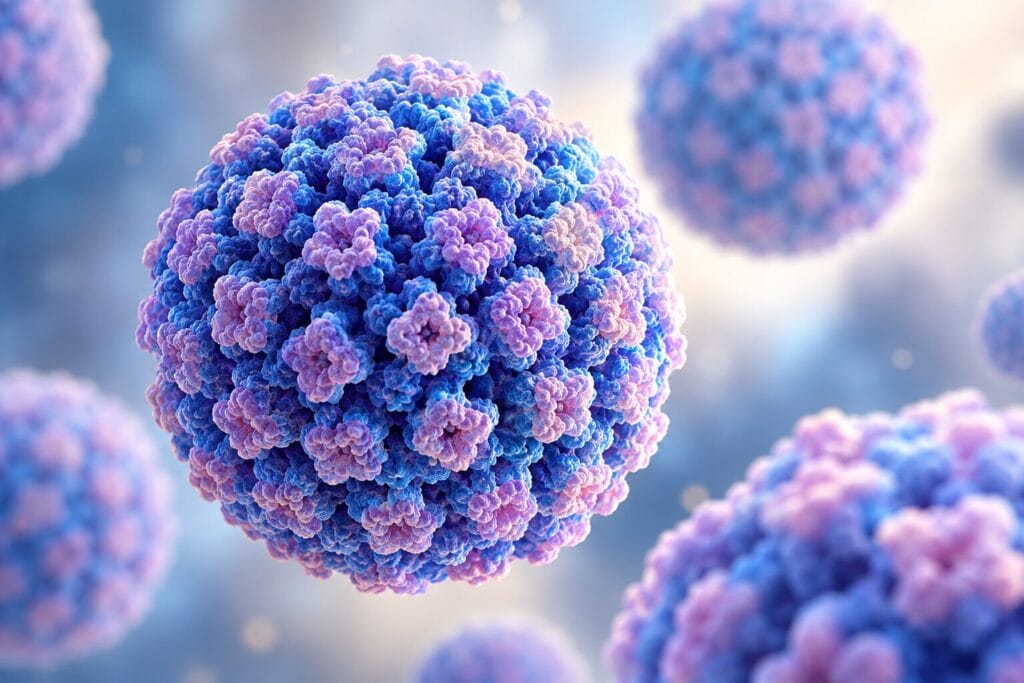
HPV stands for human papillomavirus. It’s not one single virus but a large family of related viruses. Different HPV types affect different areas of the body, including the skin, genitals, mouth and throat. Some types cause common warts or genital warts. Others, known as high-risk HPV types, can sometimes cause changes in cells that may eventually develop into cancer. The important word is sometimes. HPV is remarkably common. Cancer Research UK estimates that around 8 in 10 people will acquire an HPV infection at some point in their lives. Most people never realise they’ve had it. There is often no discomfort, no visible change and no reason to suspect anything is happening. Your immune system usually takes care of the infection without you ever knowing it was there.
How does HPV spread?
HPV spreads through close skin-to-skin or intimate contact, most commonly during sexual activity, including oral sex. Because it is so widespread, having HPV is not unusual, and it is certainly not a reflection of someone’s hygiene or character. It’s also worth knowing that an HPV infection can remain undetected for years. Finding out about an infection does not tell you when it was acquired or from whom. In other words, HPV is a health issue, not something that deserves embarrassment or stigma.
What is the connection between HPV and mouth cancer?
This is where a little anatomy helps.nWe often use the term mouth cancer to describe cancers affecting the mouth and nearby areas. However, medically, there’s an important distinction between two locations.
Oral cavity cancer
develops in areas such as the lips, gums, inside of the cheeks, floor of the mouth and front part of the tongue.
Oropharyngeal cancer
develops further back, in the part of the throat behind the mouth, including the tonsils and base of the tongue.
HPV has a much stronger established connection with oropharyngeal cancer than with cancers of the oral cavity itself. According to Cancer Research UK, HPV causes approximately half of oropharyngeal cancers in the UK. That is a substantial proportion, and one reason HPV awareness has become an increasingly important part of conversations about head and neck cancer. But remember: this statistic describes the proportion of cancers linked to HPV. It does not mean that half of people with HPV will develop cancer. The overwhelming majority will not.
Why is HPV-16 mentioned so often?
Of the many HPV types, HPV-16 is particularly important in relation to oropharyngeal cancer. It belongs to the group of high-risk HPV types. Most HPV infections resolve without causing problems. Occasionally, however, a high-risk infection persists over a long period. Persistent infection can interfere with the normal way cells grow and repair themselves. Over many years, these changes can sometimes contribute to cancer developing. This is not an immediate process, and it does not happen to most people who encounter HPV-16. Having HPV-16 is not the same as having cancer.
Does HPV-related throat cancer only affect smokers?
No – and this is an important point. Smoking and alcohol remain significant risk factors for cancers affecting the mouth and throat. But HPV-related oropharyngeal cancer can also develop in people who have never smoked. That is one reason awareness needs to extend beyond the traditional image of who might develop head and neck cancer. HPV-related oropharyngeal cancer is also diagnosed more frequently in men, although women can develop it too. The sensible approach is not to worry about which category you fit into, but to pay attention to persistent changes and seek professional advice when needed.
What symptoms should you look out for?
One of the challenges with HPV-related oropharyngeal cancer is that the affected area may be difficult to see yourself. Unlike an ulcer on the inside of your cheek, a change near your tonsils or at the base of your tongue may not be obvious when you look in the mirror.
Symptoms worth discussing with a healthcare professional include:
- A persistent or unexplained lump in the neck
- A sore throat that doesn’t settle
- Difficulty or pain when swallowing
- Persistent hoarseness or changes in your voice
- Unexplained ear pain, particularly on one side
- A persistent lump or unusual change in the mouth or throat
- An unexplained mouth ulcer lasting more than three weeks
These symptoms are far more commonly caused by conditions other than cancer. A sore throat, for example, is usually just a sore throat. But if something persists, keeps returning or has no obvious explanation, it’s sensible to have it assessed. Don’t wait three weeks if you have a concerning neck lump, significant swallowing problems or symptoms that are worsening. And remember that difficulty breathing or being unable to swallow requires urgent medical attention.
Can you tell whether you have oral HPV?
Usually, no.Most oral HPV infections cause no noticeable symptoms, and there is currently no recommended routine HPV screening test for the mouth or throat for people without symptoms. This differs from cervical screening, where testing for high-risk HPV plays an established role. A routine dental examination also cannot determine whether you carry HPV simply by looking inside your mouth. What your dentist can do is examine the oral tissues, identify unusual changes and arrange appropriate assessment or referral when needed. That’s an important distinction: a dental examination is valuable, but it isn’t an HPV test.
The good news: HPV vaccination
Now for one of the most encouraging parts of this story. We have vaccines that protect against important cancer-associated HPV types. The HPV vaccination programme is a major public-health development because it helps prevent infection with HPV types responsible for several cancers. In the UK, the vaccine currently used is Gardasil 9, which protects against nine HPV types, including HPV-16 and HPV-18.
The NHS offers HPV vaccination routinely to all children in Year 8, usually aged 12–13, regardless of sex. This is deliberate: vaccination works best before someone encounters the virus. Eligible young people who missed vaccination may also receive it through NHS catch-up arrangements. There are additional NHS vaccination arrangements for certain groups at increased risk. The vaccine has already produced strong evidence of reductions in HPV infections and cervical cancer.
It also reduces oral infection with vaccine-covered HPV types, providing an important basis for expecting protection against HPV-related oropharyngeal cancers. However, because these cancers may take decades to develop, researchers are still building the long-term evidence for the size of that specific cancer-prevention benefit. Vaccination is prevention, not treatment. It does not remove an HPV infection that someone already has. If you’re unsure whether you or your child is eligible, your GP practice, school vaccination team or NHS sexual health service can advise.
Can you reduce your risk in other ways?
Yes. Although no single measure removes every risk, several practical steps can help. Consider HPV vaccination. Check whether you or your children are eligible through the NHS. Avoid tobacco. Smoking is an established risk factor for mouth and throat cancers, independently of HPV. Keep alcohol consumption within lower-risk limits. Excessive alcohol consumption increases the risk of several cancers, including oral cancers. Practise safer sex. Condoms and dental dams can reduce the likelihood of HPV transmission, although they cannot eliminate it because HPV can affect skin not covered by a barrier. Pay attention to persistent symptoms. Don’t ignore an unexplained lump, ulcer or change in your mouth or throat. Continue regular dental examinations. These help maintain oral health and provide opportunities to identify changes that may need further investigation. There is no special mouthwash, toothpaste or home remedy proven to clear an oral HPV infection or prevent HPV-related throat cancer.
What role does your dentist play?
At Boston House Dental Clinic, our approach to dental care goes beyond checking for cavities and polishing teeth. During routine dental examinations, we assess the health of your teeth, gums and oral soft tissues, looking for abnormalities or changes that may need attention. This includes examining areas such as your tongue, cheeks, lips, gums and other accessible parts of the mouth. Where appropriate, your dentist may also assess the jaw and neck. If we identify something suspicious, we can discuss the findings and arrange further investigation or referral as clinically appropriate. It’s important to be clear that some HPV-related cancers arise in parts of the throat that cannot be fully examined during a routine dental appointment. That is why persistent throat symptoms, unexplained neck lumps or swallowing difficulties may also require assessment by your GP or an appropriate specialist.
Dental examinations and awareness of symptoms work together. Neither replaces the other. And because we get to know our patients over time, regular appointments can also help us recognise changes from previous examinations.
Mouth Cancer Action Month: a good reason to start the conversation
Every November, Mouth Cancer Action Month encourages people across the UK to become more aware of mouth cancer, its risk factors and its warning signs. At Boston House, we believe that awareness should be informative rather than frightening. Understanding HPV is a good example. Yes, certain types of HPV are linked to cancer. But HPV is also extremely common, most infections clear naturally, and vaccination offers an important opportunity to reduce future risk. The message is not to become anxious about every sore throat. It’s to understand your health, recognise persistent changes and know when to ask for advice. Knowledge is useful. Panic isn’t.
Looking after your oral health at Boston House Dental Clinic
Whether you’re due for a routine examination, have noticed a change in your mouth or simply have questions about your oral health, our team is here to help. At Boston House Dental Clinic, 82 London Wall, City of London, we provide comprehensive dental examinations and personalised preventive care for patients living and working around Moorgate, Liverpool Street, Bank and the surrounding areas. If you have a persistent or unexplained symptom affecting your mouth, arrange a dental assessment. For symptoms affecting the throat or neck, your GP may be the most appropriate first contact. Because looking after your mouth is about more than looking after your teeth.
Frequently asked questions about HPV and mouth cancer
Does HPV always cause mouth or throat cancer?
No. Most HPV infections clear naturally and never cause cancer. Only a small proportion of persistent infections with high-risk types contribute to cancer development.
What is the difference between oral HPV and HPV-related throat cancer?
Oral HPV refers to an HPV infection affecting the mouth or nearby tissues. HPV-related oropharyngeal cancer is a cancer that develops in the throat behind the mouth, often involving the tonsils or base of the tongue. Having an infection does not mean someone has cancer.
Can you get HPV-related throat cancer without smoking?
Yes. HPV-related oropharyngeal cancer can develop in people who have never smoked. Tobacco and alcohol are separate important risk factors for head and neck cancers.
Is HPV-16 dangerous?
HPV-16 is a high-risk HPV type associated with several cancers, particularly cervical and oropharyngeal cancer. However, most people who acquire HPV-16 do not develop cancer.
Can my dentist test me for HPV?
A routine dental examination cannot establish whether you have HPV. There is currently no recommended routine oral or throat HPV screening test for people without symptoms. Your dentist can assess visible oral changes and refer suspicious findings for further investigation.
Does the HPV vaccine protect against throat cancer?
The HPV vaccine prevents infection with important cancer-associated HPV types, including HPV-16. Evidence supports reduced oral HPV infections after vaccination, and protection against HPV-related throat cancer is expected. Long-term studies are continuing to measure the full impact on oropharyngeal cancer rates.
Can adults receive the HPV vaccine in the UK?
Some adults are eligible for NHS HPV vaccination, including certain young adults who missed the school programme and some groups at increased risk. Eligibility depends on age and circumstances. Adults who are not NHS-eligible can ask a private vaccination provider about suitability.
How often should I have a dental examination?
There is no single interval appropriate for everybody. Your dentist will recommend an examination schedule based on your individual oral health, medical history, risk factors and clinical needs.
Should I worry about a sore throat that won’t go away?
Most sore throats have harmless causes, including common infections. However, persistent or unexplained symptoms, especially those accompanied by a neck lump, swallowing difficulty or other changes, should be assessed by a GP or appropriate healthcare professional.


